
Why Christmas Colors Are Red and Green

Why Christmas Colors Are Red and Green: History, Symbolism, and Cultural Meaning
Few holiday traditions are as instantly recognizable as the colors red and green. From garlands and ornaments to sweaters and storefront windows, these two hues dominate the Christmas season. But why? Where did this iconic color pairing come from, and what does it symbolize?
This guide explores the ancient symbolism of red and green, how early Christians adapted these meanings, and the surprising ways modern culture cemented this palette into the global Christmas identity.
 The Ancient Symbolism of Green
Long before Christmas existed, ancient cultures associated the color green with life, rebirth, and resilience. During the cold, dark months of winter, most plants died back — but evergreens remained vibrant. This made them powerful symbols of endurance and hope.
Evergreen branches were used during winter solstice celebrations by:
- Romans in Saturnalia festivities
- Celts who decorated homes with holly and ivy
- Norse cultures celebrating the return of light
For early Christians, these beliefs resonated deeply. Evergreens became associated with eternal life — a theme that aligned well with the celebration of Christ’s birth.
The Symbolism of Red: Love, Life, and Sacred Meaning
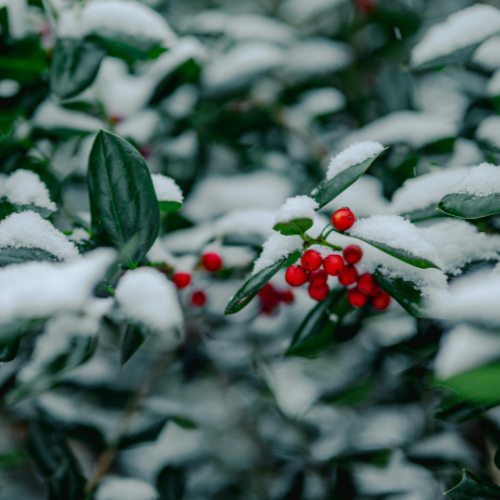 Red is one of the most emotionally powerful colors in human culture. In Christmas symbolism, it carries multiple meanings:
- Love and warmth: Red evokes passion, celebration, and joy.
- Christian symbolism: Red traditionally represents the sacrificial love of Christ, especially connected to Christmas and Easter liturgical colors.
- Holly berries: Holly played a major role in shaping Christmas décor. Its vibrant red berries inspired early Christmas art and iconography.
Because red appeared naturally in winter greenery, it became both visually striking and spiritually meaningful.
Holly: The Original Red-and-Green Christmas Plant
If any plant shaped the modern Christmas palette, it was holly. With its deep green leaves and bright red berries, holly was used in winter festivities for centuries and took on layered symbolism:
- The green leaves symbolized life and strength.
- The red berries symbolized vitality and later took on Christian interpretations related to the blood of Christ.
As holly decorations spread throughout Europe, so did the association between the colors red and green with Christmas celebrations.
Medieval and Christian Influence on Christmas Colors
By the medieval period, the Church had adopted many evergreen symbols into Christmas celebrations. Churches incorporated holly, ivy, and other greenery to represent everlasting life.
The color red also appeared in liturgical vestments during particular feasts related to the birth of Christ. Over time, these visual cues helped reinforce the red-and-green pairing.
 The Modern Red and Green Christmas Palette
While the symbolism of red and green stretches back centuries, their use as the dominant holiday palette became mainstream in the 19th and 20th centuries. Several key influences helped solidify the colors:
1. Victorian Christmas Imagery
Victorian Christmas cards, books, and home décor frequently featured holly, ivy, and red ribbons, making the color pairing visually iconic.
2. Department Store Displays
As Christmas became increasingly commercialized, stores adopted red and green because they were bold, joyful, and instantly recognizable.
3. Coca-Cola’s Christmas Campaigns (1930s–1950s)
Although Coca-Cola didn’t invent Santa’s red suit, their advertising heavily promoted a consistent red-and-green visual identity. This helped cement the palette in modern American and global holiday marketing.
Why Red and Green Work So Well Together
There’s also a color-theory reason for their enduring popularity: red and green are complementary colors. When placed together, they enhance each other’s brightness and create a visually festive contrast.
In winter, when natural colors are muted, red and green feel vibrant and full of life — which makes them psychologically perfect for holiday décor.
Modern Expressions of Christmas Colors
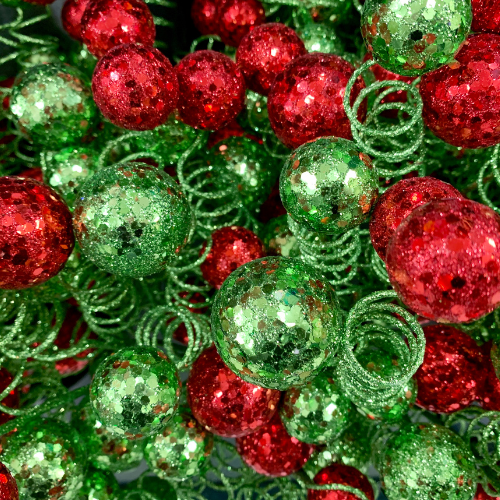 Today, red and green appear in nearly every aspect of holiday celebration:
- Home decorations and wreaths
- Christmas fashion and pajamas
- Holiday branding and packaging
- Ornaments and tree décor
- Festive food and drinks
Many families add metallic accents like gold and silver, but red and green remain the heart of the visual season.
Are Red and Green Used Worldwide?
Yes — though not universally. Many cultures embrace additional or alternative seasonal colors based on regional traditions, religious symbolism, or design trends. Still, red and green are overwhelmingly recognized internationally as the hallmark colors of Christmas.
Conclusion
Red and green are more than just festive colors. They carry centuries of symbolism rooted in ancient tradition, evergreen resilience, Christian meaning, and modern cultural evolution. Whether displayed through holly berries, evergreen garlands, or classic ornaments, these hues remind us of life, love, and the enduring spirit of Christmas.
25 Days of Christmas Traditions
1. Advent
2. Red and Green Christmas
Categories
- All Blogs (73)
- Bluegrass Realtors (1)
- Christmas (2)
- Closing Costs (3)
- Community Opportunity (10)
- credit (1)
- Divorce and Real Estate (1)
- Downsizing & Upsizing (2)
- Education (3)
- First time homebuyer tips (6)
- Foreclosure (2)
- Fun (3)
- Government (10)
- Holiday (1)
- Home Buying in Kentucky (25)
- Home Buying Tips (14)
- Home Selling in Kentucky (14)
- Home Selling Tips (12)
- Home Value (10)
- Kentucky Events (6)
- Listings (5)
- Moving to Kentucky (9)
- Real Estate Guidance (5)
- Relocation & Jobs Moves (6)
Recent Posts